Storage for Personal Trainers, Fitness Instructors and Small Gyms in Bury and Manchester
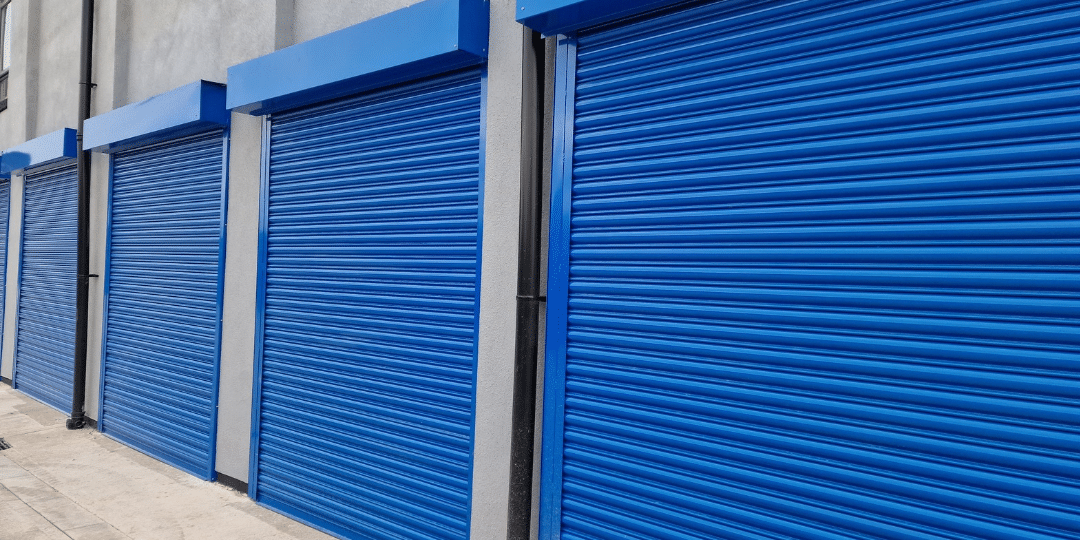
Storage for personal trainers means a secure, ground floor unit near Bury or Failsworth where you keep mats and weights between sessions. No more filling the hallway. No more cramming the car boot. Drive straight up to your own door. Load or unload in minutes, then get on with your day. Whether you train clients solo, run bootcamps, or manage a small studio, your kit stays dry and ready whenever you need it.
This guide works through unit sizing for gym kit, how mobile trainers and small studios actually use a unit day to day, the mistakes people make, and the questions we hear most from people in your line of work.
Why personal trainers and fitness instructors run out of room for equipment
Most personal trainers do not start out needing storage at all. Just a mat, a couple of kettlebells, a few bands. All of it fits in a car boot. The trouble is a fitness business rarely stays that small. You take on more clients. You add a Saturday bootcamp. Maybe you start a pop up class at the local hall. Before long you are carrying plyo boxes, a battle rope, a speaker, cones and a full set of dumbbells to every single session.
At home, that kit ends up stacked in a spare room, a shed or a hallway. Awkward if you share a house. Worse if you rent a flat with no outside space at all. Once you are turning down bookings because the car cannot physically hold any more kit, or wasting twenty minutes each morning digging a kettlebell out from behind a sofa, storage usually stops looking like an extra cost and starts looking like common sense.
Here is when it is time to look properly:
- You are buying duplicate kit because the first set is stuck at home.
- Your car boot is full before you have even picked up a client.
- Kit gets damaged because there is nowhere proper to keep it dry and flat.
Some trainers need kit they use every week. Others need kit that only comes out for a season, such as outdoor bootcamp gear in summer. Either way, it is worth a look at business storage across Bury and Manchester to see how it fits around your own routine.
What size storage unit suits gym equipment, mats and weights
Gym kit is an odd mix. Some of it is light but takes up loads of room: mats, boxes, a folded gazebo. Other bits are tiny but brutally heavy: plates, kettlebells, sandbags. Guess a size rather than working it out properly, and that mix catches people out fast. Our own unit sizes explained guide covers the general comparison. Here is how it lines up against a trainer’s actual kit list.
| Unit size | Roughly holds |
|---|---|
| 5ft unit | A mobile trainer’s core kit. Mats, bands, a couple of kettlebells, a small speaker. |
| 10ft unit | A full bootcamp set. Boxes, battle rope, gazebo, a stack of mats, kettlebells. |
| 20ft unit | Benches and a rack of plates. TRX and suspension kit. Stock for two class types. |
| 40ft unit | A small studio’s full kit. Spare benches and racks. Room to grow into. |
5ft and 10ft storage units for mats, bands and a starter kit of weights
Think one to one or small pairs work. The 5ft unit holds mats, bands, a kettlebell or two, maybe a speaker and some cones. Running group sessions or bootcamps? Step up to a 10ft unit. Bulky items like a plyo box or a folded gazebo eat space fast, even when they barely weigh anything. Most mobile trainers settle here rather than jumping straight to something bigger.
Signs you are ready to move up from a 5ft unit:
- You now run group sessions, not just one to one.
- Boxes, a gazebo or a battle rope need a home.
- Kit is stacked so high you cannot see what is at the back.
20ft and 40ft storage units for benches, plates and a full bootcamp set
Once benches and a proper rack of plates come into it, a 20ft unit usually beats trying to force everything into a smaller space with no room to walk between items. The 40ft size suits a studio with more than one instructor sharing kit. It also suits a trainer running several class formats who needs full sets ready to go, rather than piled on top of each other.
Mobile personal trainer equipment storage between parks, client homes and sessions
Run your business from a car boot rather than four walls? Your storage needs look different. Take a trainer we think of often, running bootcamps across three parks around Bury through the week:
- A 6am session before the traffic builds.
- A lunchtime class.
- A Saturday group that doubles in size by spring.
Every single one means loading cones, a speaker, a gazebo, mats and a bag of kettlebells, then unloading it all again at home that evening, because there is nowhere else for it to live.
That changes completely with a unit near your usual routes. Load straight from the unit before a session. Drop everything back on the way home. Storage coverage across Bury puts a base close to the parks and streets you already work in. Ground floor access matters more here than almost anywhere else in this guide. You are often loading a car alone, against the clock, between back to back clients. Not having to carry a kettlebell down steps or along a long corridor saves real time across a working week.
What a mobile trainer typically carries between sessions:
- Mats, resistance bands and a couple of kettlebells.
- Cones, agility ladders and a portable speaker.
- A gazebo or pop up shelter for outdoor work.
Working the Manchester side of your patch? The Failsworth branch gives you somewhere central across Failsworth, Oldham Road and the wider Manchester suburbs, without driving back to Bury between classes.
Storage for fitness classes: moving bootcamp and pop up kit without a van full of gear at home
Bootcamp and pop up class kit is a different problem from a trainer’s personal kit bag. Mostly, it comes down to volume. A typical outdoor set might include a gazebo, several plyo boxes, a battle rope, a dozen mats and a portable speaker, plus bands and kettlebells across a weight range. None of that is small. Almost none of it belongs in a hallway between sessions.
Keeping that much kit at home costs you in two ways. The obvious one is space. Battle ropes coil up bigger than you would think. A stack of mats for a twelve person class will not slide under a bed either. The less obvious cost is wear. Kit left in a damp garage or an overstuffed shed breaks down faster. Digging through a jumbled pile to find the right kettlebell before a class eats into the few free minutes you have before clients arrive.
What usually needs a home between classes:
- Gazebo or pop up shelter, plyo boxes and a battle rope.
- Mats for the full class size, not just a demo set.
- A speaker, cones and signage for outdoor sessions.
- Bands and kettlebells across your full weight range.
Size the unit for your actual class and everything stays organised by weight or by class, rather than wherever it happens to fit. If your class work sits inside a wider small business, the same ground floor, drive up setup works just as well for other local tradespeople and small business owners storing their own stock and kit.
Small gym storage unit options for a growing one person or small studio business
Small studios work differently. You usually have a base already. You just do not have enough room in it. Picture a studio owner in Bury running three class formats: strength, a beginner conditioning class and a Saturday circuit. Each needs its own kit set out ready. The studio floor does not grow to match, and one cupboard built for a single format cannot hold three.
Rather than cramming everything in and losing floor space your clients are paying to use, most studio owners keep the daily kit on site and store the rest. That might be:
- Spare benches and a second set of plates for a busier Saturday.
- Seasonal kit that only comes out for a few months a year.
- A whole class format’s equipment that is not running this term.
That keeps your working floor clear while kit you are not using right now stays reachable, not buried in deep storage you can never easily get to. A small gym storage unit also gives you somewhere to receive and hold new equipment before it moves onto the studio floor, which matters more than people expect once you are ordering in bulk rather than buying one item at a time.
Storage for personal trainers running pop up classes through the seasons
Pop up fitness work follows the calendar, not a steady year round pace. Run outdoor bootcamps through spring and summer, then switch to an indoor hall class over winter? You now need two completely different kit sets, with only one of them ever in use. Keeping both at home all year means paying for space that sits half empty for months on end.
Our seasonal storage guide for Bury and Manchester covers this pattern in more general terms, and it fits a fitness business just as well as garden furniture or Christmas decorations. The gazebo, cones and outdoor speaker that only come out from April to September can sit in your unit over winter, while the indoor kit takes their place, rather than both sets fighting for the same shelf at home.
A pop up instructor working markets, fairs or one off events faces a related problem. Kit is needed hard for a short run of dates, then needs somewhere safe until the next booking lands.
- Keep seasonal kit and your current working set in separate, labelled areas.
- Reach your unit on short notice so a last minute booking is not a scramble.
Doing this beats digging equipment out of the back of a garage every time a new booking lands unexpectedly.
Why storage demand for personal trainers spikes every January
Every January, gym sign ups and personal training enquiries jump. New client bookings rise fast. This new year surge is a well documented, recurring pattern across the UK fitness industry, driven by resolutions and people getting back into routine after the holidays. Good for business, if you are actually ready for it.
Trainers who handle January well tend to prepare in November and December. They sort extra mats and kettlebells before the rush starts, not once new clients are already booked in. If your numbers typically climb from the first week of January, that is the point to check whether your current kit, and your current storage, can cope with a bigger class or a longer client list.
Before the rush hits, a few things are worth doing:
- Check your full kit list against expected class sizes for January.
- Order replacement or extra mats, bands and weights early.
- Confirm your unit has room to grow into, not just room for today.
Build headroom into your unit and you can bring in extra kit ahead of the rush, ready from day one. Getting a quote and sorting a unit before the new year beats trying to find space once your diary is already full.
Client retention matters here too. A new client who turns up in January to a packed, badly organised session, with half the kit missing or still at home, is less likely to rebook in February once the novelty wears off. Reliable access to clean, ready equipment each week plays a real part in whether a new sign up becomes a regular, especially during the weeks that decide first impressions. January is the clearest example of this pattern, but it is not the only one. A half term week, a local race build up or a summer fitness push can each create a smaller version of the same spike, and the same rule applies every time: have enough kit ready before demand arrives, not scrambling once it has.
Lifting and moving weights safely: manual handling advice for personal trainers
Loading and unloading plates, kettlebells, benches and boxes several times a week takes a toll. Your back feels it just as much as your clients do. The Health and Safety Executive’s guidance on manual handling sets out the basics plainly. Avoid hazardous lifting where you reasonably can. Assess the load before you lift. Use sensible technique rather than relying on strength alone. There is no single fixed weight limit in law, which is exactly why lifting the same kettlebell forty times a week needs more thought than a glance at the number on the plate.
Build these habits in:
- Break heavier loads into smaller trips rather than overloading yourself to save time.
- Keep a clear, flat path between your car and your unit door.
- Store heavier items at waist height, not stacked above your head.
Uneven ground or a trip hazard is often the real cause of an injury, not the weight itself. Ground floor access with no stairs removes one of the biggest risks outright: carrying awkward, heavy items up or down steps. If you manage other instructors who also move equipment, the same guidance applies to them, and it is worth a few minutes covering it with them directly.
Storage for personal trainers scaling beyond a car boot and a garage shelf
Storage stops being optional once a few clear signs show up:
- You are turning down new clients because the car physically cannot carry more kit.
- You are buying duplicate equipment because the first set sits at home, out of reach when you need it elsewhere.
- You are spending real time each week shuffling kit between a shed, a car and a client’s garden just to run one session.
Client numbers are only part of the picture, though. Add a second class format. Start training for a qualification that needs its own kit. Take on a part time assistant who needs to reach the same equipment independently. Any of these hits the same wall, even with a steady client base already. In each case, a unit stops being an extra cost. It becomes the thing that lets everything actually run, because the kit is where it needs to be, every time, without you having to think about it.
Storage for personal trainers who already work from a fully equipped studio
Not every trainer needs a full size unit. Already running from a dedicated studio with built in storage and a cupboard system that works? Your real need may only be a small unit for genuine overflow, spare benches, replacement kit waiting to join the rotation, or paperwork rather than daily use items. Start with a smaller size and a quote rather than assuming you need the biggest option available. The right size matches what you are actually storing, not what sounds impressive.
Worth checking how the different unit sizes compare before you commit, so you pay for the space your equipment genuinely needs.
Common mistakes personal trainers make when storing gym equipment
A handful of mistakes come up again and again. Most are easy to avoid once you know to look for them.
- Packing a unit so tightly that nothing is reachable without unloading half the space first, turning a quick kit grab into a ten minute job every time.
- Storing mats and bands while they are still damp from an outdoor session, which leads to a musty smell and, over time, mould that ruins kit that would otherwise last years.
- Choosing a unit size on price alone rather than an honest list of everything you actually carry, then needing to upgrade a few months later once bootcamp season starts.
- Leaving electrical items like a PA speaker or a lighting rig loose and unprotected instead of boxed, which shortens how long they last.
- Treating a unit as permanent deep storage for kit you actually use every week, rather than keeping the most needed items nearest the door.
Most of these come down to one habit: treating the unit as an afterthought rather than part of how your business actually runs week to week. Spending a few minutes organising kit properly when you first move in saves far more time across a year of regular visits.
Access, security and drive up loading for personal trainer storage units
Security matters more for a working trainer than for someone storing seasonal boxes. The equipment is real working capital. Lose a set of kettlebells or a battle rope and it costs real money to replace, plus a gap in what you can offer clients until it is sorted.
- 24 hour CCTV and 24 hour manned security cover both the Bury and Failsworth sites, so your kit is watched round the clock, not only during opening hours.
- Ground floor units mean no stairs and no lift between your car and your door, which matters every time you carry a bench or a box of plates rather than one light bag.
- Drive up access lets you pull the car right up to the unit, load or unload in one trip where you can, and get to your next session without wasting time on logistics.
- Both branches suit regular, frequent visits rather than the occasional one off collection, which fits how most trainers actually use their kit.
Need specific access times for early morning sessions or late evening classes? Your nearest branch can talk you through what is available when you contact your branch directly, since this can vary and is worth confirming before you commit a unit to a fixed training schedule.
If you run plugged in equipment for sessions, such as a portable speaker or a lighting rig for an indoor class, it is worth keeping on top of routine portable appliance testing as part of how your own business operates. That is a general safety habit worth building in, separate from anything a storage unit itself provides, and it sits alongside the manual handling points covered earlier as part of running kit heavy sessions responsibly.
Our honest verdict on storage for personal trainers and small fitness studios
For a mobile trainer, a bootcamp instructor or a small studio owner carrying real volumes of kit, a dedicated unit tends to pay for itself in time saved alone. That is before you even count a tidier home, a clearer studio floor, or kit that lasts longer because it is finally stored properly. The honest exception is a trainer with a small, stable kit list and plenty of room already. There, the cost of a unit may outweigh the convenience, at least until your client list grows past what the car can carry.
The safest way to decide: list exactly what you carry and how often, match it against the sizes above, then get a quote for business storage rather than guessing. That way you pay for the space your business genuinely needs, sized around how you actually work rather than a rough estimate. Read more about Meadow Self Storage and how both branches work for business as well as household customers. Both our Bury and Failsworth branches have built up strong, positive reviews from local customers over the years, which we’re proud of.
Most trainers know within a few weeks of using a unit whether they picked the right size. If kit still will not fit comfortably, or you are clearly paying for space you never fill, ask your branch about moving up or down a size rather than sticking with the wrong fit for months. Getting this right early saves both money and hassle later on.
Personal trainer storage questions we get asked most often
Q: Where do personal trainers store training equipment?
Most keep kit at home, cram it into a car boot, or rent a dedicated unit near where they train. Pick a unit close to your usual routes in Bury or Failsworth and you get one organised base, instead of kit scattered across a garage, a hallway and the back seat of a car.
Q: How do mobile personal trainers store kit between sessions?
They typically load the car straight from a storage unit before each session and drop everything back afterwards, rather than unpacking the whole boot at home every evening. Drive up, ground floor access makes this quick even when you are working alone.
Q: What size storage unit do I need for gym equipment?
It depends on what you carry:
- 5ft: a basic kit of mats, bands and a couple of kettlebells.
- 10ft: a full bootcamp set with boxes and a gazebo.
- 20ft or 40ft: benches, racks of plates and a small studio’s full stock.
Q: Can I store weights and benches in a storage unit?
Yes. Free weights, fixed plates and benches are some of the most common items personal trainers and small studios store. Ground floor, drive up access helps a great deal, given how heavy this kind of kit is to move.
Q: Is self storage cheaper than renting studio space for a small fitness business?
A unit and a studio solve different problems: one holds equipment, the other gives you somewhere to train clients. Many trainers use both, keeping a lean studio or outdoor setup and storing kit that does not need to be out every day, rather than paying for extra studio floor purely to store things.
Q: How do I keep bootcamp and outdoor class equipment secure in storage?
Dry the kit out fully before it goes into storage. Box smaller items like bands and cones rather than leaving them loose. Choose a unit with 24 hour CCTV and 24 hour manned security, since this kind of kit is real working capital and deserves proper care between sessions.
Q: Why does storage demand for personal trainers spike every January?
New year resolutions and people returning to routine after the holidays push gym sign ups and personal training enquiries up sharply every January. Trainers who prepare extra kit in November and December tend to handle the rush far more smoothly than those who scramble once it has already started.
Q: Can I access my storage unit early before a 6am training session?
Access arrangements can vary. Check directly with your nearest branch about early morning or late evening access before you commit a unit to a fixed training schedule.
Q: Do I need insurance for gym equipment kept in storage?
It is worth checking that your own business or equipment insurance covers items while in storage, since cover varies between policies and providers. This is a general point to check with your insurer, not something a storage unit itself decides.